What is this?
A Statement of Work (SOW) is a narrative description of required work. It stipulates the deliverables or services required by a client. It defines the task to be accomplished or services to be delivered in clear, concise and meaningful terms.
The attached statement of work contains the following sections:-
1. Work Breakdown Estimate
2. Requirement Objectives
3. Background & Specific Scope
4. System Requirements
5. Key Delivery & Payment Milestones
6. Charges
7. Key Project Staff
8. Third Party Software License Costs
9. Dependencies
10. Acceptance Test
11. Acceptance Criteria
12. Technical, Operational and Organisational Environment
13. Reporting Requirements
14. Project Management Control Procedures
15. Change Procedures
16. Authorities
17. Sign-off & Authorisation
Read more...
What is it?
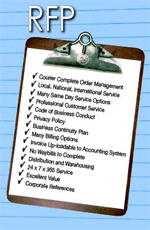
A Request for Proposal (referred to as RFP) is an invitation for suppliers, often through a bidding process, to submit a proposal on a specific commodity or service. A bidding process is one of the best methods for leveraging a company’s negotiating ability and purchasing power with suppliers. The Request process brings structure to the procurement decision and allows the risks /benefits and requirements to be clearly identified upfront. An RFP typically involves more than just a request for a price. Other requested information typically includes basic corporate information and history, financial information (can the company deliver without risk of bankruptcy), technical capability (used on major procurements of services, where the item has not previously been made or where the requirement could be met by varying technical means), product information, such as stock availability and estimated completion date, as well as customer references that can be checked to determine a company’s suitability.
Read more...
What is it?
The attached tool is a totally FREE shareware Project Planning Tool which does not contain Macros or VB so it is easily customisable. This tool allows the creation of simple Gantt charts. This is one of the most important types of project plan for monitoring a projects progress against an established work breakdown structure.
Why should I use it?
In order to achieve the objectives of any project it is essential to look at the details of the work required, which includes identifying specific tasks and estimating time to complete them, estimating associated costs, identifying who will perform the tasks and highlighting areas of risk together with devising appropriate contingency plans.
It is usually part of the responsibility of the project manager to create the project plan and to update it on a regular and frequent basis. This is an important point – project plans are not set in stone! They are dynamic and must reflect the current situation. In most projects there are a number of “unexpected” challenges or events which may affect the timescales, costs and outcomes of the project. With good planning these unexpected events can be dealt with effectively.
Read more...
What is it?
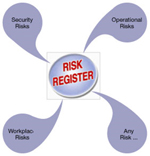
A programme risk register is a vital tool which makes risk management possible. It is the central place where all a project or programmes risks are aggregated together and tracked. This risk register has the capability to log not just risks which threaten the programmes success, but also opportunities in accordance with MSP best practice.
The difference between this log and Project Risk logs we offer for download on this site is that this log is designed specifically to manage risks which have strategic impact on a programmes probability of success /failure and follows the best practice guidelines as detailed in MSP/P3O.
Read more...
What is it?
A Programme Issue Log is a vital tool which makes issue management possible. It the central place where all project or programme issues are listed, and it is key means of tracking their aggregate impact on your programme’s ability to achieve its objectives and track progress on how well they are being resolved in order to prevent programme derailment.
The difference between this log and a Project Issue logs is that this log is designed specifically to view issues in the aggregate and to provide features which enable the log to be used to handle change requests in accordance with the best practice guidelines of MSP/P3O.
Read more...



 Del.icio.us
 Digg this






 All contents copyright © 2006, Orbital Media Network. All rights reserved.